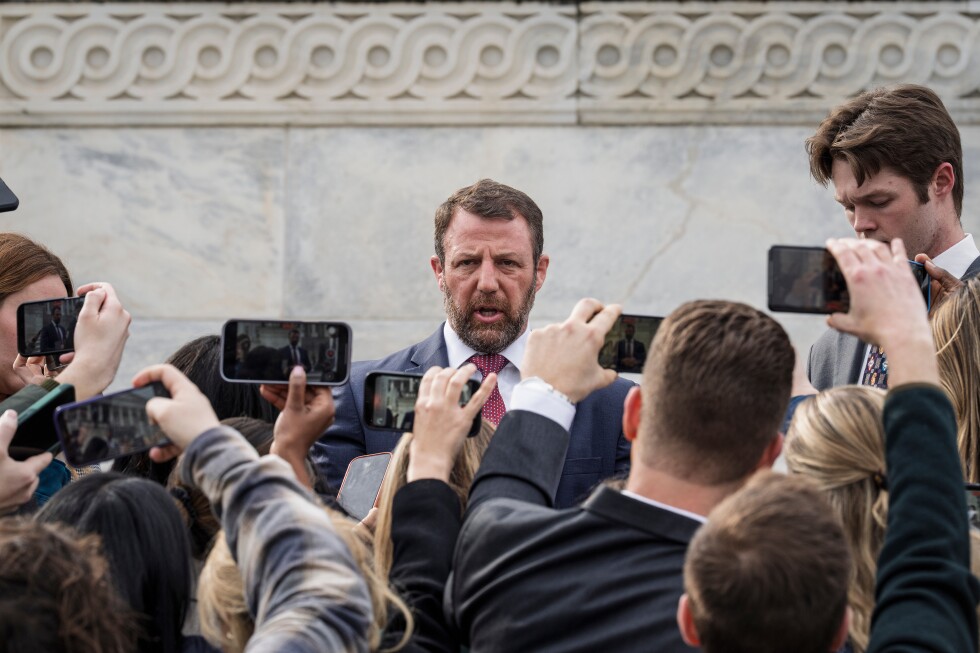
Trump Ally Mullin Poised to Lead Troubled DHS Amidst Policy Crossroads
The Department of Homeland Security (DHS), a sprawling entity responsible for everything from border security to disaster relief and cybersecurity, finds itself at a critical juncture. As Senator Markwayne Mullin, a staunch ally of former President Donald Trump, prepares for his confirmation hearing, the nation watches closely. Should Mullin be approved as the next Secretary of Homeland Security, he will inherit a department grappling with multifaceted challenges, deep-seated management issues, and an immigration system at a definitive policy crossroads. The potential
dhs pick Mullin faces a formidable task, requiring a blend of political acumen, operational expertise, and a clear vision for an agency vital to national security and public trust.
A Formidable Figure Steps Up: Mullin's Background and Approach
Senator Markwayne Mullin, an Oklahoma Republican, brings a unique background to the table. A former mixed martial arts fighter, he has cultivated a reputation as a combative and assertive presence during his 13 years in Congress. This tenacity, which served him well in the octagon and on Capitol Hill, could prove both an asset and a liability in the complex, often politically charged environment of the DHS. His experience in Congress has reportedly earned him the confidence of fellow lawmakers, a crucial factor for navigating the departmental budget and legislative priorities.
Mullin is widely expected to align closely with the policy priorities of the White House, particularly if Donald Trump were to return to office. Throughout his tenure in the Senate, Mullin has often served as a de facto spokesperson for the administration, engaging frequently with the president and amplifying White House messages. This unwavering loyalty suggests that as
dhs pick Mullin, he would likely be a faithful executor of directives, rather than an independent policy architect. He has been a vocal supporter of Immigration and Customs Enforcement (ICE) officers and the increased funding for immigration enforcement approved in recent years, indicating a clear stance on border and interior security operations. His past statements, such as backing law enforcement and blaming local leaders for "emboldening" protesters following the Minneapolis shootings, underscore a firm, law-and-order approach. However, successfully leading the DHS demands more than just loyalty; it requires strategic vision, an ability to unify diverse agencies, and the capacity to balance enforcement with broader societal impacts.
Navigating a Department in Crisis: Immigration, Disasters, and Management Woes
The challenges awaiting the next DHS Secretary are substantial and varied. At the forefront is the contentious issue of immigration enforcement. The department’s approach to mass deportations has triggered a surge of arrests, instilled fear within immigrant communities, and raised significant concerns about the tactics employed by enforcement agencies. Public approval of aggressive immigration policies has waned, with many Americans feeling that the approach has "gone too far." This souring public mood creates a mandate for the incoming secretary to seriously recalibrate how immigration policies are implemented.
Beyond immigration, the DHS is also responsible for critical disaster relief efforts. Many disaster-hit states and their representatives have voiced anger over delayed federal assistance, highlighting logistical and bureaucratic hurdles within the Federal Emergency Management Agency (FEMA), a key component of DHS. Furthermore, frustrations among travelers due to long airport security lines, often exacerbated by congressional funding battles, point to operational inefficiencies within the Transportation Security Administration (TSA).
Internally, the department has been plagued by "serious management problems," as observed by Senator John Kennedy, R-La. The departure of former Secretary Kristi Noem, whose social media-driven management style reportedly contributed to her downfall, underscores the need for stable, effective leadership. Senator Kennedy's call for a full audit of the department speaks volumes about the perceived lack of oversight and efficiency. The potential
dhs pick Mullin would need to conduct a thorough review of the department’s vast operations, addressing everything from resource allocation to personnel morale. For more insights into these formidable challenges, explore
Markwayne Mullin's DHS Hurdles: Immigration, Aid, and Management Reform.
The Policy Crossroads: Recalibrating Enforcement in a Shifting Landscape
The most pressing policy decision for Mullin, especially under a Trump administration, would be how to manage the administration's centerpiece policy of mass deportations. A year of high-profile operations led to significant arrest numbers but also drew heavy criticism for overly aggressive tactics. The tragic shooting deaths of two protesters in Minneapolis by federal officers ignited widespread calls for reform within immigration enforcement agencies, emphasizing the need for greater accountability and revised engagement protocols.
John Sandweg, a former acting director at ICE during the Obama administration, highlights the delicate balancing act Mullin would face: managing internal pressures over whether to intensify deportations through widespread arrest sweeps or to pursue other, potentially less confrontational, enforcement strategies. This decision will not only define the DHS's public image but also have profound implications for communities across the country. Mullin's challenge will be to navigate these complex waters while remaining aligned with White House directives. Successfully leading the DHS will require not only a firm hand but also a nuanced understanding of public sentiment and the operational realities on the ground. The ability to effectively communicate policy changes and justify enforcement actions transparently will be crucial for rebuilding public trust and ensuring the department's legitimacy. For a deeper dive into the policy considerations, refer to
Markwayne Mullin's DHS Vision: Recalibrating Mass Deportations and Enforcement.
Beyond Enforcement: Broader Challenges and Strategic Priorities for the DHS
While immigration often dominates headlines concerning DHS, the department's mandate extends far beyond border security. It encompasses critical areas such as cybersecurity, counter-terrorism, and critical infrastructure protection. The digital landscape presents an ever-evolving threat, requiring robust defenses against cyberattacks on government systems, critical utilities, and private sector networks. The next DHS Secretary must possess a keen understanding of these diverse threats and prioritize resource allocation to ensure national resilience.
Mullin's strategic priorities, therefore, must extend to:
- Strengthening Cybersecurity Defenses: Investing in advanced threat detection, rapid response capabilities, and fostering public-private partnerships to secure digital infrastructure.
- Enhancing Disaster Preparedness and Response: Streamlining FEMA operations, improving inter-agency coordination, and ensuring timely, effective assistance to communities hit by natural disasters. This involves pre-positioning resources and cutting bureaucratic red tape.
- Combating Domestic Extremism: Addressing the growing threat of domestic terrorism through intelligence gathering, community engagement, and targeted enforcement, while respecting civil liberties.
- Improving Management and Efficiency: Implementing the "full audit" suggested by Senator Kennedy, identifying inefficiencies, optimizing resource allocation, and fostering a culture of accountability and innovation across all DHS components. This includes addressing morale issues and ensuring that personnel are adequately trained and supported.
- Balancing Security with Civil Liberties: A perpetual challenge for DHS, requiring transparent policies and robust oversight to ensure that security measures do not infringe upon the rights of citizens and residents.
A successful leader at DHS must not only execute policy but also anticipate future threats, adapt to new technologies, and build consensus among diverse stakeholders, including Congress, state and local governments, and international partners. The potential
dhs pick Mullin will need to demonstrate an ability to lead this multifaceted organization effectively, moving beyond mere political rhetoric to actionable, impactful reforms.
Conclusion
Senator Markwayne Mullin’s potential ascension to lead the Department of Homeland Security marks a critical juncture for an agency facing immense internal and external pressures. From recalibrating controversial immigration policies and addressing management inefficiencies to bolstering national cybersecurity and streamlining disaster relief, the challenges are monumental. As a strong Trump ally with a combative reputation, Mullin's leadership style and policy direction will undoubtedly shape the future of the DHS. His ability to navigate the complex political landscape, unite a sprawling department, and deliver tangible results will be paramount to restoring public confidence and ensuring the nation’s security. The stakes are incredibly high, demanding a leader capable of both unwavering loyalty and pragmatic, effective governance.