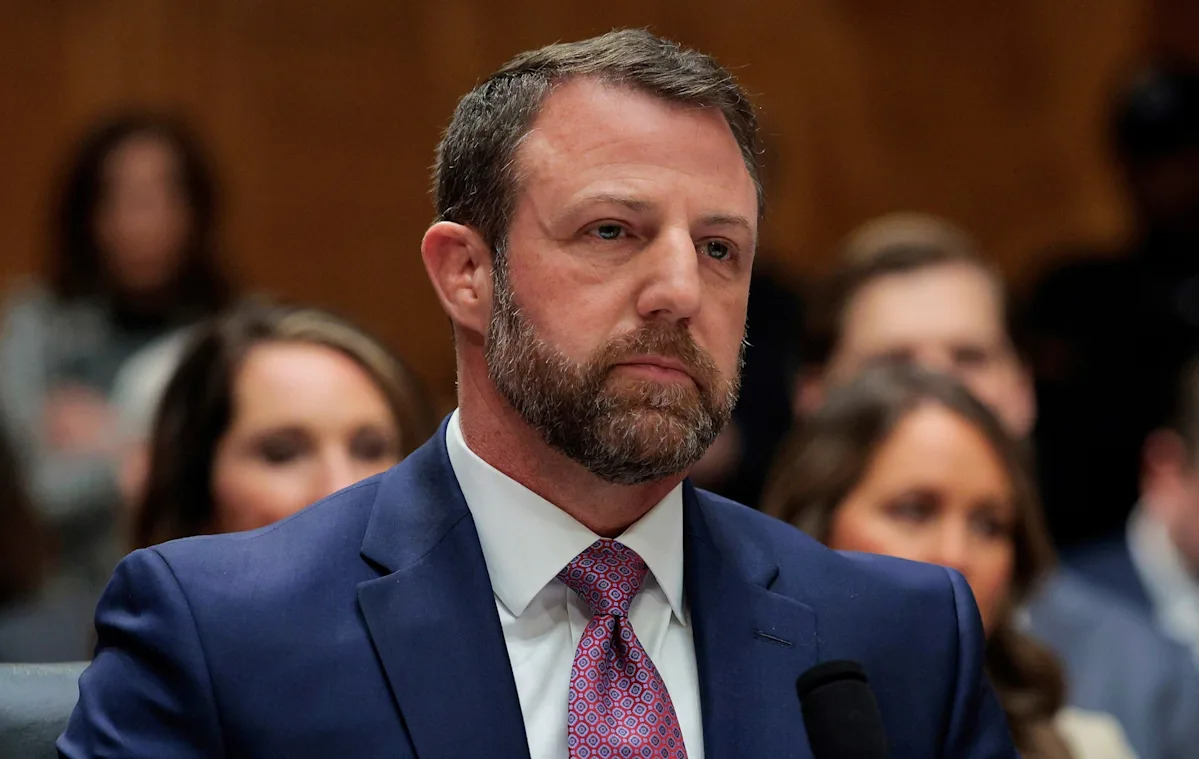
Markwayne Mullin's DHS Vision: Recalibrating Mass Deportations and Enforcement
As the political landscape shifts and potential new appointments loom, Senator Markwayne Mullin emerges as a prominent figure, rumored to be a leading dhs pick mullin for the demanding role of Secretary of Homeland Security. Should this former mixed martial arts fighter and seasoned lawmaker assume the helm, he would inherit a department at a critical juncture, grappling with a myriad of complex issues from immigration enforcement to disaster relief and internal management. His tenure would likely be defined by how he navigates the inherited mandate of mass deportations, public sentiment, and the operational realities of a vast federal agency.
The Crossroads of Enforcement: Mullin's Inherited Mandate
One of the most immediate and politically charged challenges awaiting the potential dhs pick mullin is the future direction of immigration enforcement. The previous administration's centerpiece policy of mass deportations triggered a significant surge in immigrant arrests, but it also sparked widespread fear within communities and raised serious concerns about the tactics employed by enforcement agencies. A year of high-profile operations, while yielding high arrest numbers, drew considerable criticism for perceived aggressiveness, culminating in tragic incidents like the shooting deaths of two protesters in Minneapolis by federal officers, which intensified calls for reform.
The public mood has demonstrably soured regarding the aggressive approach to immigration. Approval for the administration's hardline stance has declined, with a majority of Americans now believing that the policies have "gone too far." This shifting public perception presents a formidable challenge for Mullin. He would be compelled to seriously consider how the agencies under his purview — particularly Immigration and Customs Enforcement (ICE) — will implement future deportation efforts. The concept of "recalibration" becomes paramount here, suggesting a strategic shift from blanket enforcement to perhaps more targeted operations, a re-evaluation of detention practices, and a renewed focus on community engagement to rebuild trust. This delicate balancing act between robust enforcement and public acceptance will be a defining characteristic of his potential leadership. For more depth on the multifaceted challenges facing Mullin, consider reading Markwayne Mullin's DHS Hurdles: Immigration, Aid, and Management Reform.
Beyond Borders: Broader Challenges Facing the DHS Pick Mullin
While immigration enforcement often dominates headlines, the Department of Homeland Security's mandate extends far beyond border security. The incoming dhs pick mullin would also face significant pressure on several other critical fronts:
- Disaster Relief: States frequently hit by natural disasters and their congressional representatives are often vocal about delayed federal assistance. Mullin would need to streamline FEMA operations, ensure timely and effective deployment of resources, and enhance coordination with state and local governments to mitigate suffering and accelerate recovery efforts. The efficiency of disaster response has direct impacts on communities nationwide and plays a crucial role in public confidence in federal agencies.
- Airport Security: Frustrated travelers facing long airport security lines due to various issues, including funding battles in Congress, highlight another area requiring immediate attention. The Transportation Security Administration (TSA), a component of DHS, is central to ensuring safe and efficient travel. Mullin would need to address staffing shortages, technological upgrades, and bureaucratic inefficiencies to alleviate bottlenecks and improve the traveler experience, all while maintaining rigorous security standards.
- Internal Management Issues: The department itself has faced calls for an audit, signaling serious management problems. The outgoing secretary, Kristi Noem, faced criticism for her "social media-driven management style," which reportedly contributed to her downfall. Senator John Kennedy, R-La., explicitly stated, "We've got serious management problems at DHS, and we need somebody steering the ship," advocating for a full audit. Mullin, therefore, would not only need to set policy but also to instill a culture of efficiency, accountability, and strong internal leadership within the government's third-largest department.
These diverse challenges underscore the immense scope and complexity of the DHS Secretary's role, requiring not only policy acumen but also exceptional managerial skills and the ability to navigate political headwinds.
Mullin's Stance and Future Direction: An Ally's Approach
Markwayne Mullin, a former mixed martial arts fighter, has cultivated a reputation as a combative and assertive presence in the Senate. After 13 years in Congress, he has garnered the confidence of fellow lawmakers, and crucially, he is widely expected to align closely with the White House's policy priorities. His history as a strong supporter of Immigration and Customs Enforcement officers and his backing of congressional funding that "super-charged immigration enforcement" signal his likely leaning towards a robust approach.
As a de facto spokesman for the White House during his Senate tenure, frequently communicating with the former president and amplifying his messages, Mullin has shown himself to be a faithful ally. This unwavering loyalty suggests that as dhs pick mullin, he would likely be instrumental in executing the administration's agenda without significant deviation. However, the critical question remains: how would this loyalty intersect with the growing public demand for a more nuanced approach to enforcement, particularly in light of the negative public sentiment?
John Sandweg, a former acting director at ICE during the Obama administration, aptly points out that Mullin would need to "balance pressures from different players inside the administration over how to conduct future enforcement operations — whether to ramp up deportations through arrest sweeps or keep enforc[ement]..." This highlights the internal dynamics and differing viewpoints that even a loyal secretary must navigate. Mullin's recalibration of mass deportations could manifest in various ways: a strategic focus on individuals with serious criminal records rather than broad sweeps, a re-evaluation of enforcement "hot spots," or a more concerted effort to differentiate between national security threats and economic migrants. The challenge will be to maintain an enforcement posture that satisfies the White House while addressing public concerns and ensuring operational effectiveness. His role as a staunch ally is a central theme explored further in Trump Ally Mullin Poised to Lead Troubled DHS Amidst Policy Crossroads.
While Mullin has largely remained tight-lipped about his specific vision for running the department since his nomination, his past actions and statements offer clues. Following the Minneapolis shootings, he strongly backed law enforcement and attributed blame to local leaders for rhetoric he claimed "emboldened" protesters. This stance suggests a likely continuation of strong support for federal agents and a robust defense of their actions, even as he might be compelled to refine operational strategies in response to public and political pressures.
Practical Considerations for a New DHS Leadership
Should Markwayne Mullin become the next DHS Secretary, several practical tips and considerations would be paramount:
- Data-Driven Policy: Moving beyond rhetoric, Mullin would benefit from leveraging data analytics to assess the effectiveness and collateral impact of enforcement strategies. Understanding *where*, *how*, and *why* certain tactics are working or failing can inform more targeted and efficient operations.
- Stakeholder Engagement: Actively engaging with diverse stakeholders — including immigrant advocacy groups, law enforcement associations, state governors, and disaster relief organizations — can provide invaluable insights and build bridges, even amidst policy disagreements.
- Employee Morale: The morale of DHS's vast workforce, from TSA agents to Border Patrol officers, is critical. A strong leader needs to address internal management issues, provide clear direction, and foster a supportive environment to ensure effective service delivery.
- Technological Innovation: Investing in and implementing advanced technologies for border security, cybersecurity, and data analysis can significantly enhance efficiency and effectiveness across all DHS missions, potentially reducing reliance on controversial tactics.
- Clear Communication: Public perception is often shaped by communication. Mullin would need a transparent and consistent communication strategy to explain DHS's mission, policies, and actions, aiming to foster understanding and mitigate unwarranted fear.
The appointment of Markwayne Mullin as DHS Secretary would usher in a period of intense scrutiny and critical decision-making. His ability to lead a sprawling department, recalibrate contentious policies like mass deportations, address urgent operational challenges, and navigate a complex political landscape will profoundly impact national security, civil liberties, and the daily lives of millions of Americans.