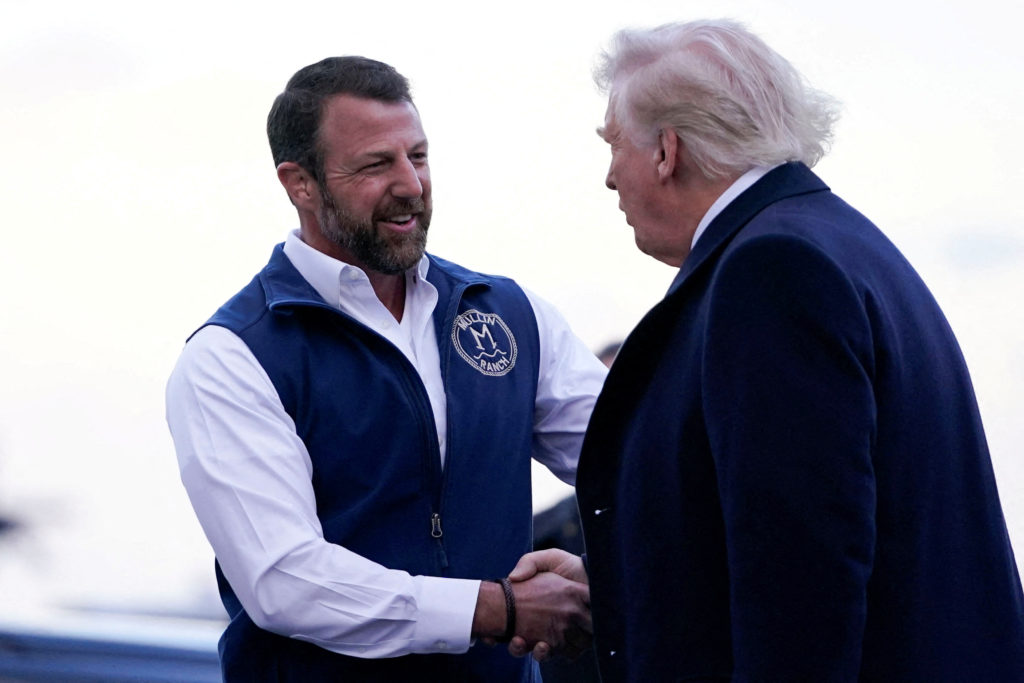
Markwayne Mullin's DHS Hurdles: Navigating Immigration, Aid, and Management Reform
The potential appointment of Senator Markwayne Mullin as the next Secretary of Homeland Security marks a critical juncture for an agency grappling with multifaceted challenges. As a prominent
Trump ally, Mullin's dhs pick comes at a time when the Department of Homeland Security (DHS) faces intense scrutiny over its immigration policies, its capacity for disaster response, and persistent internal management issues. Should he be confirmed, the former mixed martial arts fighter will step into a role demanding not only political acumen but also a profound ability to steer one of the U.S. government's largest and most complex departments through turbulent waters.
The array of tasks awaiting the incoming DHS Secretary Mullin is daunting. From the contentious landscape of immigration enforcement to the urgent demands for federal disaster aid and the perpetual struggle against bureaucratic inefficiencies, Mullin would inherit a department in dire need of reform and recalibration. His past in Congress, characterized by a combative presence and staunch support for White House policies, suggests a leader prepared to align with presidential directives. However, the operational realities and public expectations of DHS will undoubtedly test this resolve, demanding a nuanced approach to deeply entrenched issues.
Recalibrating Immigration Enforcement Amidst Public Scrutiny
Perhaps the most visible and politically charged challenge for dhs pick Mullin would be the ongoing saga of immigration enforcement. The previous administration's centerpiece policy of mass deportations has generated significant controversy, leading to a surge in arrests, widespread fear in immigrant communities, and serious questions about detention conditions and enforcement tactics. High-profile operations, while yielding high arrest numbers, have also drawn heavy criticism for perceived aggression, even leading to calls for reform following tragic incidents like the shooting deaths of protesters.
The public mood has demonstrably soured on aggressive immigration tactics, with many Americans now feeling that enforcement has "gone too far." This shift in public perception presents a substantial challenge for any incoming leader, including Mullin, who has historically been a strong supporter of Immigration and Customs Enforcement (ICE) officers and the increased congressional funding that bolstered enforcement efforts.
*
Balancing Enforcement and Humanity: A key task for Mullin would be to navigate the delicate balance between robust border security and the humanitarian concerns surrounding detentions and deportations. This involves not only setting policy but also ensuring ethical implementation on the ground.
*
Strategic Enforcement: Instead of broad, sweeping operations, a more targeted approach might be warranted, focusing on individuals who pose actual security risks while de-escalating fear in communities. This requires clear, actionable guidelines for agents.
*
Public Engagement: Rebuilding public trust is paramount. This could involve greater transparency in enforcement operations, clearer communication about DHS objectives, and establishing channels for community feedback.
Ultimately,
Mullin's dhs vision on immigration will need to find a way to honor the mandate of national security while also responding to a public increasingly wary of overly aggressive methods. This recalibration is not just a policy shift but a cultural one within the enforcement agencies.
Tackling Deep-Seated Management Problems and Bureaucratic Inertia
Beyond the border, the Department of Homeland Security is plagued by "serious management problems," according to Senator John Kennedy. The departure of the previous secretary, whose "social media-driven management style" reportedly contributed to her downfall, underscores the need for a leader focused on internal efficacy rather than outward messaging. DHS, as the third-largest department in the government, supervises an expansive portfolio that includes not only immigration but also disaster response, cybersecurity, counter-terrorism, and transportation security.
Evidence of these management woes includes delayed federal assistance to disaster-hit states – a persistent source of frustration for lawmakers and affected communities – and the all-too-common sight of long airport security lines, often exacerbated by congressional funding battles. Addressing these inefficiencies requires more than just policy directives; it demands a hands-on approach to departmental structure, resource allocation, and accountability.
*
Conducting a Comprehensive Audit: As suggested by Senator Kennedy, a full audit of DHS operations is crucial. This would identify redundancies, inefficiencies, and areas where resources are misallocated, providing a roadmap for structural reform.
*
Streamlining Disaster Response: Mullin would need to prioritize reforming FEMA's processes to ensure timely and effective aid delivery. This involves improving coordination with state and local governments, pre-positioning resources, and leveraging technology for faster assessments.
*
Enhancing Employee Morale and Training: Addressing internal management problems often starts with the workforce. Investing in better training, clear communication channels, and fostering a sense of purpose can significantly improve departmental output and reduce internal friction.
*
Improving Inter-agency Collaboration: DHS is a vast umbrella encompassing multiple agencies. Fostering better collaboration and information sharing between components like ICE, CBP, TSA, and FEMA is critical for a cohesive and effective national security posture.
The dhs pick Mullin’s reputation as a "combative presence" in the Senate could be an asset in cutting through bureaucratic red tape, but it must be tempered with a strategic vision for long-term organizational health.
The Broad Scope of Homeland Security: Beyond Immigration
While immigration often dominates headlines, the DHS mandate extends far beyond border control. Mullin would be responsible for overseeing the Transportation Security Administration (TSA), safeguarding critical infrastructure from cyberattacks, and coordinating federal responses to natural disasters. These areas demand constant vigilance and adaptation in the face of evolving threats.
The challenges in these areas are significant:
*
Cybersecurity: The increasing sophistication of cyber threats from state actors and criminal organizations requires continuous investment in defense mechanisms and proactive intelligence gathering. Mullin would need to ensure DHS is equipped to protect government networks and assist private industry.
*
Disaster Preparedness: With climate change contributing to more frequent and severe weather events, proactive disaster preparedness and resilience-building are paramount. This involves not just response but also mitigation and long-term recovery planning.
*
Transportation Security: Ensuring the safety of air travel and other transportation modes is a continuous operational challenge, requiring balancing efficiency with rigorous security protocols, especially in an era of heightened security concerns.
For the dhs pick Mullin, understanding and prioritizing these diverse national security concerns, while simultaneously managing public expectations and political pressures, will be a defining aspect of his tenure. His ability to articulate a clear vision that encompasses all facets of DHS's mission will be vital for his success and for the nation's security.
Conclusion: A Defining Role for the Next DHS Secretary
Markwayne Mullin’s potential confirmation as DHS Secretary signals a pivotal moment for an agency at the epicenter of America's most pressing domestic challenges. From recalibrating immigration enforcement strategies to overhauling departmental management and ensuring robust national security, the tasks ahead are immense. His track record as a loyal ally to the White House and a forceful presence in Congress suggests a leader ready to implement policy with conviction. However, the realities of governing a sprawling department like DHS will demand more than just political loyalty; it will require strategic vision, meticulous management, and a willingness to adapt to the complex interplay of public sentiment and operational realities. How dhs pick Mullin chooses to navigate these intricate hurdles will undoubtedly shape the future of Homeland Security and its impact on the lives of millions of Americans.